
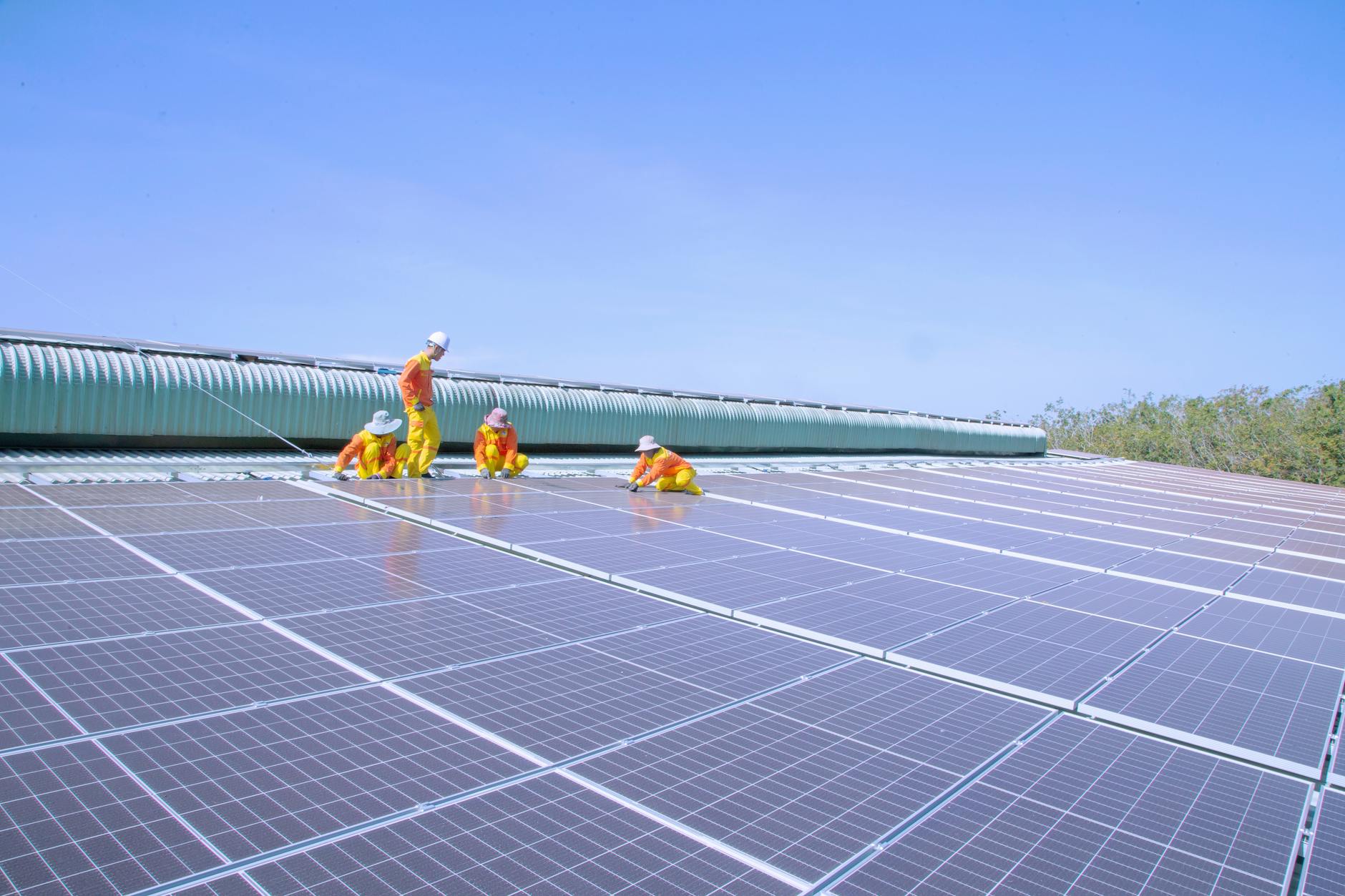
TL;DR: DIY solar panel installation is technically legal in New York, but the electrical connection must be completed by a licensed electrician. Most homeowners save 30 to 40 percent on hardware by going DIY, yet they lose access to NYSERDA rebates, manufacturer warranties, and utility interconnection approvals. DIY solar makes sense for off-grid cabins. For grid-tied homes in the Hudson Valley, hiring a licensed installer almost always costs less once incentives are factored in.
──────────────────────────────────────────────────
Is DIY Solar Panel Installation Legal in New York?
Yes, it is legal to install solar panels on your own property in New York State. No law prevents a homeowner from mounting panels on a roof or ground-mount system. That said, “legal” and “practical” are two different things.
New York requires electrical permits for any solar energy system that connects to the grid. The final electrical connection, including wiring from the panels to the inverter and from the inverter to the main electrical panel, must be performed or signed off by a licensed electrician. This is not optional. It is required by the National Electrical Code (NEC) and enforced by local building departments across the Hudson Valley, Westchester, Dutchess, Orange, and Rockland counties.
Homeowners can handle the mechanical side: bolting racking to the roof, mounting panels onto the racking, and running conduit. But the moment wires connect to anything carrying current, a licensed professional must be involved.
What Comes in a DIY Solar Panel Kit?
DIY solar kits sold online typically include everything needed for a basic installation. A standard residential kit ranges from $5,000 to $12,000 depending on system size, panel quality, and whether an inverter is included.A typical kit contains:
- Solar panels (usually 8 to 20 panels, depending on system size)
- Mounting hardware and racking rails
- String inverter or microinverters
- Wiring, connectors, and junction boxes
- Monitoring equipment
- Installation manual and layout diagrams
What kits do not include: permits, engineering stamps, electrical labor, roof penetration sealant rated for your specific roofing material, or any help with utility interconnection paperwork. Those gaps are where DIY projects stall or fail.
Cost Savings: DIY vs Professional Installation
The raw hardware savings from a DIY approach are real. Buying panels and equipment directly can cut costs by 30 to 40 percent compared to a fully installed system. On a 10 kW system that a professional installer quotes at $28,000, the equipment alone might run $15,000 to $18,000.
But those savings evaporate fast when incentives enter the picture.
DIY vs Professional Solar Installation: Cost Comparison (10 kW System)
| Cost Factor | DIY Install | Professional Install |
| Equipment (panels, inverter, racking) | $15,000 – $18,000 | Included in total |
| Installation labor | $0 (your time) | Included in total |
| Licensed electrician (final connection) | $1,500 – $3,000 | Included in total |
| Permits and engineering stamps | $500 – $1,300 | Included in total |
| Total project cost | $17,000 – $22,300 | $25,000 – $30,000 |
| NYSERDA rebate | $0 (not eligible) | -$2,000 to -$4,000 |
| Federal ITC (30%) | -$5,100 to -$6,690 | -$7,500 to -$9,000 |
| Net cost after incentives | $11,900 – $15,610 | $15,500 – $17,000 |
| Warranty coverage | Equipment only | Full system (25 years) |
NYSERDA’s NY-Sun incentive program offers $0.20 to $0.40 per watt in rebates for residential solar installations. On a 10 kW system, that is $2,000 to $4,000 in direct rebates. These rebates are only available through NYSERDA-approved installers. DIY installations do not qualify.
The federal Investment Tax Credit (ITC) of 30 percent does apply to DIY installations, but only on equipment costs. Professional installations can claim the full project cost, including labor, permitting, and interconnection fees.
After subtracting lost NYSERDA rebates, reduced ITC value, and the cost of hiring a licensed electrician for the final connection ($1,500 to $3,000), the actual savings from DIY shrink to 10 to 15 percent. For some homeowners, that margin disappears entirely.
Risks of DIY Solar Panel Installation
Cost is only part of the equation. DIY solar carries risks that can turn a money-saving project into an expensive problem.
Roof Damage and Voided Warranties
Drilling into a roof without proper flashing and sealant creates leak points. Most roofing manufacturers void their warranty the moment an unlicensed person penetrates the roof membrane. A single leak that goes unnoticed for six months can cause $5,000 to $15,000 in structural damage, mold remediation, and roofing repairs.
Electrical Fire and Code Violations
Improper wiring is the leading cause of solar-related house fires. Undersized conductors, loose connections, and incorrect grounding create arc fault conditions that standard breakers may not catch. New York building inspectors will fail a system that does not meet NEC 690 requirements for solar photovoltaic systems, and bringing a failed system into compliance often costs more than hiring a professional from the start.
Insurance Implications
Homeowner’s insurance policies in New York typically cover professionally installed solar panels as part of the dwelling. DIY installations create a gray area. Some insurers will decline claims for fire or water damage caused by a self-installed system. Others require a licensed electrician’s sign-off before they will add the system to the policy. Contact your insurance provider before starting any DIY solar project.
No Interconnection Without Licensed Sign-Off
Con Edison, Central Hudson, NYSEG, and Orange and Rockland Utilities all require a licensed electrician’s certification before they will approve grid interconnection. Without interconnection, a grid-tied system cannot export excess power, cannot participate in net metering, and cannot offset electricity bills. The panels sit on the roof generating power that has nowhere to go.
New York Permit and Inspection Requirements
Every solar installation in New York requires permits, whether DIY or professional. The specific requirements vary by municipality, but the general process looks like this:
- Submit a building permit application with system specifications and engineering drawings
- Provide a structural analysis showing the roof can support the additional load
- Submit electrical plans stamped by a licensed professional engineer (PE) or filed by a licensed electrician
- Pass a rough inspection after mounting and conduit work
- Pass a final electrical inspection after all wiring is complete
- Submit interconnection application to the local utility
- Receive Permission to Operate (PTO) from the utility
In most Hudson Valley towns, permit fees range from $200 to $500. The engineering stamp alone can cost $300 to $800 if purchased separately. Professional installers bundle these costs into the project price and handle all paperwork.
When DIY Solar Actually Makes Sense
DIY solar is not always the wrong choice. There are specific situations where it is the right approach.
When DIY Solar Makes Sense vs When It Does Not
| Scenario | DIY Recommended? | Why |
| Off-grid cabin or hunting camp | Yes | No interconnection needed, simpler permits, battery-based system |
| Small ground-mount for detached garage | Yes | Low risk, no roof penetration, limited scope |
| Grid-tied home (primary residence) | No | Lose NYSERDA rebates, need licensed electrician anyway, warranty risk |
| Home with older roof (10+ years) | No | High risk of voiding roof warranty, leak potential |
| New construction with solar included | No | Builder’s warranty and permits already cover installation |
| Rental property or home for sale soon | No | Buyers and appraisers want professionally installed, permitted systems |
Off-grid systems at cabins, hunting camps, or remote workshops are the strongest use case for DIY solar. These systems do not require utility interconnection, do not need the same permits as grid-tied systems (in most rural municipalities), and often use simpler battery-based designs that a competent homeowner can wire safely.
Small auxiliary systems, like a ground-mounted panel charging a battery bank for a detached garage or workshop, also fall into reasonable DIY territory.
For a grid-tied residential home in the Hudson Valley, though, the permitting requirements, electrical code compliance, NYSERDA incentive eligibility, and warranty protection all point toward professional installation as the better financial decision.
What “DIY Solar” Really Means in Practice
The term “DIY solar” is misleading. A more accurate description is “partially self-installed solar.” Here is the breakdown of what homeowners can and cannot do themselves in New York:What homeowners can do:
- Mount racking rails to the roof (with proper flashing)
- Attach solar panels to the racking
- Run conduit from the roof to the electrical panel location
- Install ground-mount post foundations
What requires a licensed electrician:
- All DC and AC wiring connections
- Inverter installation and configuration
- Connecting to the main electrical panel
- Grounding and bonding
- Rapid shutdown device installation (required by NEC 2017+)
- Final inspection sign-off
This means a homeowner can realistically save on labor for the mechanical portion of the install (roughly 20 to 30 percent of total labor hours) but still needs to pay a licensed electrician for the critical electrical work.
──────────────────────────────────────────────────
Frequently Asked Questions
Q: Can I install solar panels myself in New York State?
A: Homeowners can mount panels and racking on their own property, but all electrical work must be completed by a licensed electrician. The utility will not approve grid interconnection without a licensed professional’s sign-off.
Q: How much money can I save with DIY solar installation?
A: DIY saves 30 to 40 percent on hardware and labor costs upfront. After losing NYSERDA rebates (up to $4,000) and reduced federal tax credit value, actual savings shrink to 10 to 15 percent compared to professional installation.
Q: Will my homeowner’s insurance cover DIY solar panels?
A: Coverage depends on the insurer. Some policies cover self-installed systems if a licensed electrician signs off on the electrical work. Others may deny claims for damage caused by a DIY installation. Check with your insurance provider before starting the project.
Q: Do I need a permit for DIY solar in New York?
A: Yes. Every solar installation in New York requires a building permit and electrical permit, regardless of who does the work. Most municipalities also require engineering drawings and a structural analysis.
Q: Can I get NYSERDA solar incentives with a DIY installation?
A: No. NYSERDA’s NY-Sun rebate program requires installation by an approved contractor. DIY installations are not eligible for state rebates, though the federal 30 percent tax credit still applies to equipment costs.
Q: What happens if I install solar panels without a permit in New York?
A: Unpermitted solar installations can result in fines from the local building department, forced removal of the system, denial of utility interconnection, and complications when selling the property. Insurance claims related to an unpermitted system may also be denied.
Last updated: March 2026