
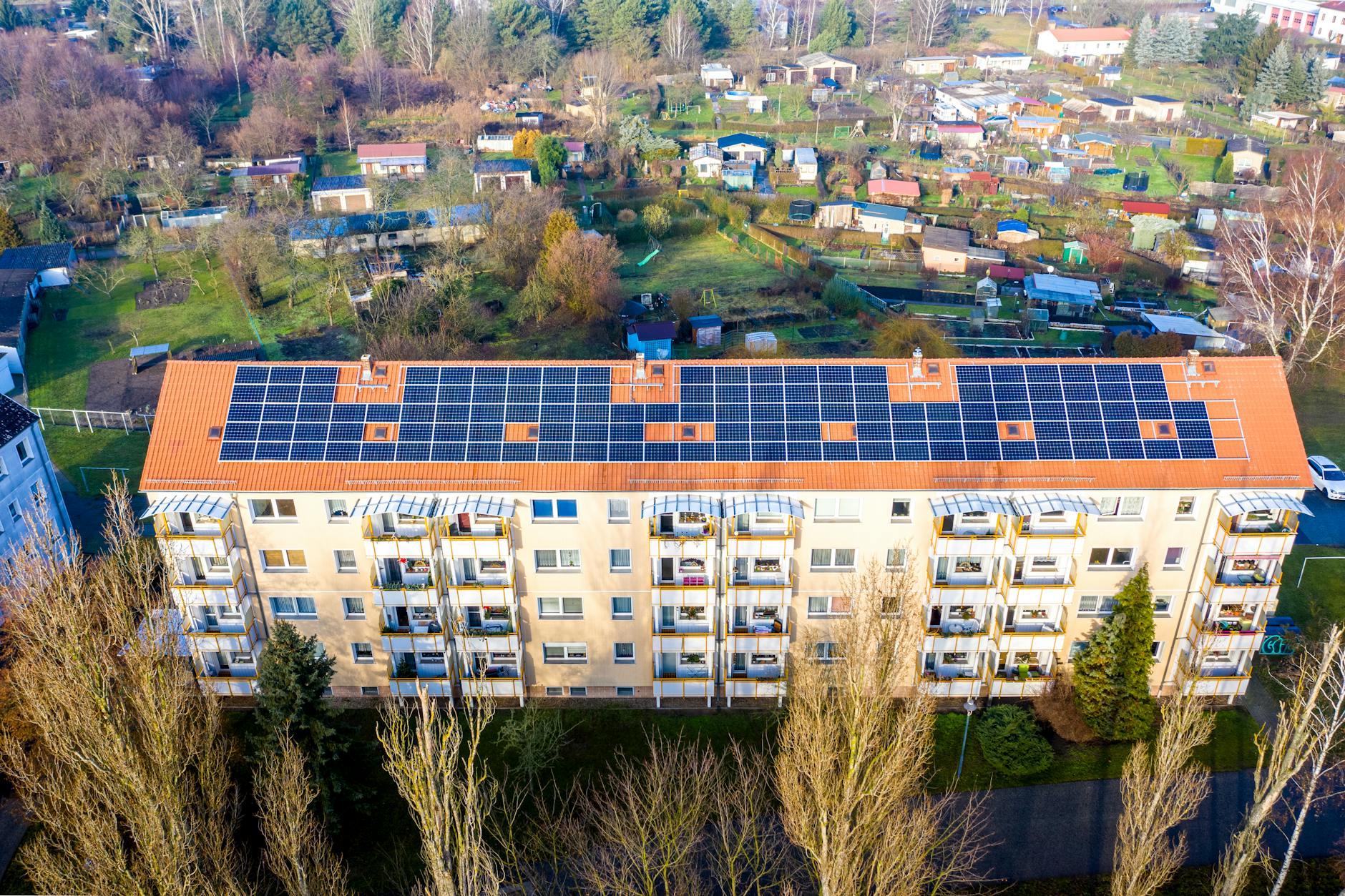
TL;DR: Most solar myths are outdated or flat-out wrong. New York ranks in the top 10 solar states, the 30% federal tax credit plus NYSERDA incentives cut costs by 50% or more, and modern panels work fine in cloudy weather, winter snow, and on roofs facing east or west.
──────────────────────────────────────────────────
Why Solar Myths Still Persist in New York
Solar energy adoption in New York has grown by over 2,000% since 2012. The state now ranks in the top 10 nationally for installed solar capacity. Yet outdated beliefs about solar panels keep some homeowners on the sideline.
Many of these myths date back to the early 2000s, when panels cost four times what they cost today and operated at half the efficiency. The technology, the economics, and the incentive landscape have all changed. Here are eight of the most common solar misconceptions, broken down with current data and real-world facts.
Myth 1: Solar Does Not Work in New York or Cloudy Climates
Fact: New York is a top 10 solar state in the U.S., with over 6 GW of installed capacity as of 2025.
Solar panels produce electricity from light, not heat. Germany, a country with less annual sunshine than New York, led the world in solar for over a decade. The Hudson Valley receives around 4.2 peak sun hours per day on average, which is more than enough for a cost-effective residential system.
Cooler temperatures actually help panel efficiency. Silicon-based photovoltaic cells perform better when they stay cool, so a 70-degree day in the Hudson Valley can outperform a 100-degree day in Arizona on a per-panel basis.
Myth 2: Solar Is Too Expensive for Most Homeowners
Fact: Between the 30% federal Investment Tax Credit (ITC), NYSERDA incentives, and net metering credits, most New York homeowners recover their investment in 5 to 8 years.
The cost of residential solar has dropped 70% since 2010. A typical 8 kW system in New York costs roughly $20,000 to $24,000 before incentives. After the federal ITC and NYSERDA rebates, the out-of-pocket cost drops to $11,000 to $14,000.
That does not include the ongoing savings. Net metering allows homeowners to sell excess electricity back to the grid, and many Hudson Valley homes generate more power than they use during spring and summer months.
Cost Breakdown: 8 kW Solar System in New York (2025-2026)
| Item | Amount |
| Gross system cost (before incentives) | $20,000 – $24,000 |
| Federal ITC (30%) | -$6,000 to -$7,200 |
| NYSERDA rebate | -$2,000 to -$3,000 |
| Net cost after incentives | $11,000 – $14,000 |
| Estimated annual savings | $1,800 – $2,400 |
| Payback period | 5 – 8 years |
| 25-year net savings | $30,000 – $50,000+ |
Myth 3: Solar Panels Damage Your Roof
Fact: Properly installed solar panels protect the portion of roof they cover and can extend its lifespan.
Licensed solar installers use roof penetration mounts with flashing that seals each attachment point. The panels themselves shield the roof surface from UV degradation, rain, and hail. Before installation, reputable companies (including NYSSF) inspect the roof condition and recommend repairs if needed before any panels go up.
Will a solar installation void a roof warranty? Not with a qualified installer. Most roofing manufacturers maintain warranty coverage when panels are installed by certified professionals following manufacturer guidelines.
Myth 4: Solar Panels Need Constant Maintenance
Fact: Solar panels have no moving parts and need minimal upkeep. Most systems require nothing beyond occasional visual checks.Rain handles the cleaning in most cases. Panels are installed at an angle, so water runs off and carries debris with it. In the Hudson Valley, seasonal rain keeps panels performing at 95%+ efficiency without manual washing.Inverters (the component that converts DC power to AC) may need replacement once during the 25 to 30 year panel lifespan. That replacement costs $1,000 to $2,000 and is the single biggest maintenance expense most homeowners will face.
- No oil changes, no filters, no lubrication
- Annual production monitoring through a smartphone app
- Snow slides off panels on its own in most installations
- Warranties cover 25 years of performance (guaranteed 80%+ output)
Myth 5: Solar Panels Do Not Work in Winter or Snow
Fact: Solar panels produce electricity year-round. Cold, clear winter days can be surprisingly productive.
Snow does temporarily reduce output when it covers panels, but the dark surface of panels absorbs heat and melts snow faster than surrounding roof areas. Most snow slides off within a day or two. And because panels work better in cold temperatures, a sunny January afternoon in the Hudson Valley can produce strong output.
Systems are sized to account for seasonal variation. A properly designed solar installation factors in shorter winter days and occasional snow coverage, so annual production targets still get met.
Myth 6: You Need a South-Facing Roof
Fact: South-facing roofs are ideal, but east- and west-facing roofs produce 80% to 90% of the output of a south-facing installation.
Modern panel efficiency has improved to the point where east or west orientations remain financially viable. Some homeowners split their array across east and west roof faces, which spreads production across morning and afternoon hours and better matches typical electricity usage patterns.
Even north-facing roofs can work in some situations with ground-mounted systems or adjusted panel tilt angles. The bottom line: do not rule out solar based on roof direction alone. A site assessment from a qualified installer gives the real answer.
Myth 7: Solar Panels Contain Toxic Materials
Fact: The vast majority of residential solar panels are made from silicon, glass, and aluminum, all common and recyclable materials.
Silicon-based panels (which make up over 95% of the residential market) do not contain lead, cadmium, or other heavy metals in any meaningful quantity. Thin-film panels, a separate technology used mainly in commercial applications, do contain small amounts of cadmium telluride, but these are sealed within the panel and pose no risk during normal operation.
New York State has recycling programs for end-of-life solar panels, and the solar industry is investing in circular manufacturing processes. A panel installed today will likely be fully recyclable when it reaches the end of its 25 to 30 year service life.
Myth 8: Net Metering Is Going Away in New York
Fact: New York has some of the strongest net metering protections in the country, and the state continues to expand solar incentives.
The NY-Sun initiative, backed by NYSERDA, has committed over $1.8 billion to solar development through 2025 and beyond. Governor Hochul’s administration has set a target of 10 GW of distributed solar by 2030. Net metering remains available for residential systems, and the Value of Distributed Energy Resources (VDER) framework ensures fair compensation for solar electricity fed back to the grid.
Homeowners who install solar now lock in their net metering arrangement. Waiting for “better incentives” is a losing strategy when current programs are this strong and electricity rates keep climbing 3% to 5% per year.
Solar Myths vs. Facts: The Full Breakdown
Here is every myth covered in this article side by side with the facts.
Solar Energy Myths vs. Facts for New York Homeowners
| Myth | Fact |
| Solar does not work in NY/cloudy climates | NY is a top 10 solar state with 6+ GW installed capacity |
| Solar is too expensive | 30% ITC + NYSERDA incentives cut costs by 50%+; payback in 5-8 years |
| Panels damage roofs | Proper installation protects the roof; flashing seals all mount points |
| Panels need constant maintenance | No moving parts; rain handles cleaning; 25-year warranties standard |
| Solar does not work in winter/snow | Cold temps boost efficiency; snow melts off quickly; systems sized for seasons |
| You need a south-facing roof | East/west roofs produce 80-90% of south-facing output |
| Panels contain toxic materials | 95%+ of residential panels use silicon, glass, and aluminum |
| Net metering is going away in NY | NY has strong net metering protections; VDER ensures fair compensation |
──────────────────────────────────────────────────
Frequently Asked Questions
Q: How much do solar panels cost in the Hudson Valley in 2026?
A: A typical 8 kW residential system costs $20,000 to $24,000 before incentives. After the 30% federal ITC and NYSERDA rebates, the net cost drops to $11,000 to $14,000. Financing options bring the monthly payment below what most homeowners currently pay for electricity.
Q: Do solar panels work on cloudy days in New York?
A: Yes. Solar panels generate electricity from light, not direct sunlight. Cloudy days produce 10% to 25% of the output of a clear day, and systems are sized to account for this. New York’s annual solar resource is strong enough to support cost-effective residential installations across the Hudson Valley.
Q: How long do solar panels last?
A: Most residential solar panels carry a 25-year performance warranty guaranteeing at least 80% of original output. Many panels continue producing electricity well beyond 30 years. The inverter may need one replacement during that period, costing $1,000 to $2,000.
Q: Do solar panels increase home value?
A: Studies from Zillow and the Lawrence Berkeley National Laboratory show that solar panels add an average of 4.1% to a home’s sale price. For a $400,000 Hudson Valley home, that equals roughly $16,400 in added value.
Q: What happens to solar panels when it snows?
A: Snow temporarily reduces output but melts off panels faster than it melts off the surrounding roof because panels are dark and absorb heat. Most snow clears within one to two days. Systems are designed with seasonal production variation in mind, so annual targets are still met.
Q: Is net metering still available for New York homeowners?
A: Yes. New York maintains strong net metering protections for residential solar systems. The VDER framework ensures homeowners receive fair credit for electricity sent back to the grid. Homeowners who install solar now lock in their net metering arrangement for the life of the system.
Last updated: March 2026