
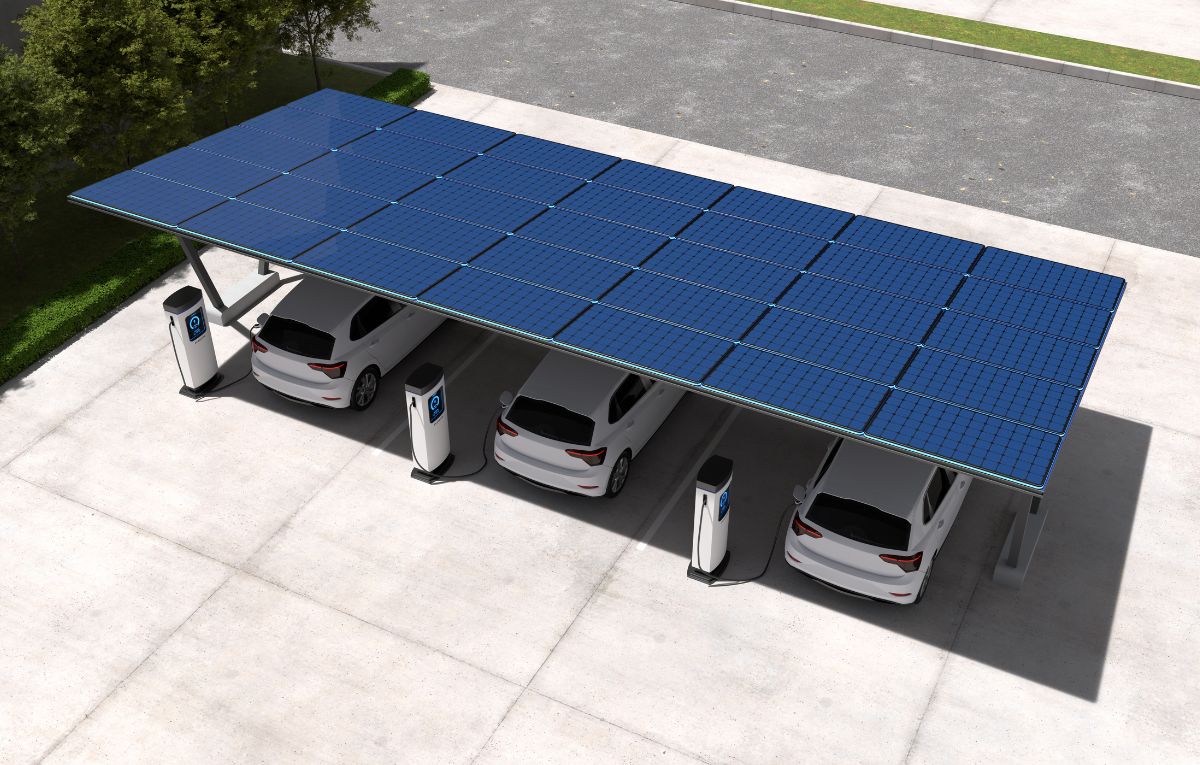
- A solar EV charging station may involve several warranties, including the EV charger warranty, installation workmanship warranty, solar equipment warranty, and any battery warranty if storage is included.
- Understanding each warranty helps homeowners know what is covered, what is excluded, and who to contact if the charger or solar system needs service.
- New York State Solar Farm helps homeowners plan solar EV charging systems in Modena, NY, with clear equipment, installation, and long-term support expectations.
The warranty for a solar EV charging station depends on the equipment and installation package. In most cases, coverage is split across the EV charger manufacturer, the solar equipment manufacturers, the battery manufacturer if storage is included, and the installer that performs the work.
A homeowner should not assume one warranty covers everything. A solar EV charging setup can include solar panels, an inverter, electrical wiring, mounting equipment, a smart electric panel, battery storage, and the EV charger itself. Each part may have its own warranty terms.
What Counts as a Solar EV Charging Station?
A solar EV charging station is a home charging setup designed to work with solar energy. It may be as simple as a Level 2 EV charger installed at a home that also has solar panels, or it may be a more advanced system that coordinates solar production, battery storage, smart electrical controls, and vehicle charging.
Common components may include:
- Solar panels
- Inverters or microinverters
- Racking and mounting hardware
- Electrical wiring and disconnects
- A Level 2 EV charger
- A smart electric panel or load management device
- Battery storage, if included
- Monitoring software or a mobile app
Because several products work together, warranty coverage is usually layered rather than bundled into one simple policy.
Main Warranty Types to Understand
Before installing a solar EV charger, ask which warranty applies to each part of the system.
EV Charger Equipment Warranty
The EV charger equipment warranty is usually provided by the charger manufacturer. It may cover defects in the charging unit, internal components, charging cable, connector, or built-in electronics.
This warranty often depends on:
- The charger brand and model
- Whether the charger is installed indoors or outdoors
- Whether the charger is hardwired or plug-in
- Whether installation followed manufacturer’s instructions
- Whether the unit was registered after installation
- Whether the issue is a product defect or external damage
Many EV charger warranties are limited warranties, which means they cover specific failures under specific conditions. They may not cover damage caused by misuse, weather exposure beyond the product rating, unauthorized repair, improper installation, or electrical problems outside the unit.
Installation Workmanship Warranty
The installation workmanship warranty comes from the installer, not the charger manufacturer. It may cover problems related to the quality of the installation, such as wiring connections, mounting, conduit work, or code-related installation issues.
This is important because a charger can be a good product, but still perform poorly if it is not installed correctly. A workmanship warranty helps protect the homeowner if a problem traces back to the installation work.
Ask how long the workmanship warranty lasts, what it includes, and how service requests are handled.
Solar Panel Warranty
If the charging station is paired with a solar array, the solar panels will have their own warranty coverage. Solar panel warranties often include a product warranty and a performance warranty.
A product warranty may cover defects in the panel materials or manufacturing. A performance warranty may guarantee that the panels will still produce a certain percentage of their original output after a set number of years.
Solar panel warranties do not usually cover the EV charger itself. They only apply to the solar panels and their stated performance or product conditions.
Inverter Warranty
The inverter or micro inverters convert solar energy into usable electricity for the home. If the inverter fails, the solar system may stop producing power even if the EV charger is still working.
Inverter warranties vary by brand and equipment type. Coverage may include defects or failure under normal use, but it may exclude improper installation, unauthorized service, electrical surges, flooding, physical damage, or conditions outside the product’s rating.
Since EV charging adds a meaningful electric load, the inverter and electrical design should be reviewed carefully during system planning.
Battery Storage Warranty
If the solar EV charging system includes battery storage, the battery will have a separate warranty. Battery warranties may include product coverage, capacity retention, cycle limits, energy throughput limits, or specific operating requirements.
Battery warranties can be more detailed than many homeowners expect. They may depend on how the battery is used, how often it cycles, temperature conditions, software settings, and whether the system is maintained according to the manufacturer’s requirements.
Battery coverage does not automatically cover the EV charger unless the charger is part of the same manufacturer ecosystem and the warranty specifically says so.
Smart Panel or Load Management Warranty
Some solar EV charging systems include a smart electric panel or load management device. These products help manage home loads so the electrical system can support EV charging, battery storage, solar production, and everyday household use.
The smart panel or load management equipment usually has its own manufacturer’s warranty. Coverage may apply to device defects, monitoring functions, controls, or supported hardware, depending on the product.
Ask whether software, app access, connectivity, sensors, and replacement labor are covered.
What EV Charger Warranties Usually Cover
EV charger warranties commonly focus on defects in materials or workmanship from the manufacturer. Depending on the brand, coverage may include:
- Failure of the charging unit under normal use
- Defects in internal components
- Cable or connector defects
- Display or indicator failures
- Wi-Fi or smart charging hardware defects
- Manufacturing defects discovered after installation
Coverage can vary widely. Some warranties may replace the charger, while others may repair the product, provide parts, or require the homeowner to follow a claim process through the manufacturer.
What May Not Be Covered
Warranty exclusions matter as much as coverage. Many homeowners only look at the warranty length, but the exclusions explain when a claim may be denied.
Common exclusions may include:
- Damage from improper installation
- Damage from unauthorized repair or modification
- Physical damage from impact or misuse
- Water damage if the charger is not installed according to its rating
- Electrical surges or utility issues
- Damage caused by pests, flooding, fire, or severe weather
- Normal cosmetic wear
- App or connectivity issues caused by home internet problems
- Use outside the manufacturer’s instructions
If the charger is installed outdoors, confirm that the unit is rated for outdoor use and that the installation follows weatherproofing requirements.
Warranty Length: What Is Typical?
Warranty length depends on the product and installer. EV charger equipment warranties are often shorter than solar panel warranties. Solar panels may have long product and performance warranties, while EV chargers, smart panels, inverters, and batteries may have different coverage periods.
The most important point is that the shortest warranty may apply to one key component, even if the solar panels have much longer coverage.
Before signing, ask for the warranty period for:
- EV charger equipment
- Installation workmanship
- Solar panels
- Inverter or microinverters
- Battery storage, if included
- Smart panel or load management equipment
- Monitoring hardware and software
Keep the warranty documents in one place so it is clear which company handles each issue.
Who Handles a Warranty Claim?
The right contact depends on the problem. If the issue appears to be with the installation, the installer is usually the first call.
If the issue is a manufacturer defect, the installer may help diagnose the problem and coordinate with the manufacturer, depending on the service agreement.
For example:
- A loose connection may be a workmanship issue.
- A failed charger circuit board may be a manufacturer issue.
- A solar production problem may involve panels, inverters, monitoring, or wiring.
- A battery capacity concern may involve battery warranty terms.
- A connectivity issue may involve Wi-Fi, app settings, or smart hardware.
A strong installer should explain how service requests are handled before the project begins.
How Installation Quality Affects Warranty Coverage
Proper installation is one of the best ways to protect warranty coverage. Many manufacturers require installation to follow the electrical code, product instructions, and approved mounting or wiring methods.
Installation quality affects:
- Electrical safety
- Charging reliability
- Outdoor durability
- Load management
- Inspection approval
- Manufacturer warranty eligibility
- Long-term system performance
If a charger is installed incorrectly, the manufacturer may deny coverage for damage caused by that installation. This is one reason professional design and installation matter for solar EV charging.
Questions to Ask Before Installing a Solar EV Charger
Before approving a solar EV charging project, ask direct warranty questions.
- What is the EV charger equipment warranty?
- What is the installation workmanship warranty?
- Who handles warranty claims?
- Does the warranty cover parts, labor, or both?
- Are trip charges or diagnostic visits included?
- What can void the warranty?
- Is the charger rated for outdoor installation?
- Does the warranty change if battery storage is included?
- Are software, monitoring, or connectivity issues covered?
- Is warranty registration required?
- What documents will I receive after installation?
Clear answers can prevent confusion later if the system needs service.
If you need any help with solar installation or EV charging stations, our experienced solar installers in NYSSF will be happy to assist you.
How to Protect Your Warranty
Homeowners can take simple steps to protect warranty coverage after installation.
- Keep product manuals and warranty documents.
- Register equipment if required.
- Avoid modifying the charger, wiring, or solar equipment.
- Keep the charger clean and clear of physical damage.
- Follow manufacturer instructions for use.
- Report problems early instead of waiting.
- Use qualified service providers for repairs.
- Keep records of service visits and warranty claims.
If the system includes app-based monitoring, check alerts and system status periodically. Early troubleshooting can prevent a small issue from becoming a larger service problem.
Solar EV Charging Warranty FAQs
Does one warranty cover the entire solar EV charging system?
Usually, no. A solar EV charging system often has separate warranties for the charger, solar panels, inverter, battery, smart panel, and installation workmanship.
Does a solar panel warranty cover the EV charger?
No. Solar panel warranties apply to the panels and their stated product or performance terms. The EV charger has separate warranty coverage from the charger manufacturer.
Does the installer warranty cover the charger?
The installer’s warranty usually covers workmanship, not defects inside the charger itself. If the charger has a manufacturer defect, the manufacturer warranty is typically the relevant coverage.
Can outdoor installation affect warranty coverage?
Yes. Outdoor installation should match the charger’s weather rating and installation instructions. Improper outdoor placement or weatherproofing may affect warranty coverage.
What should I do if my EV charger stops working?
Start by checking the charger display, breaker, app alerts, and vehicle charging settings. If the problem continues, contact the installer or service provider so they can determine whether the issue is related to the charger, wiring, solar system, battery, or utility power.
Protect Your Solar EV Charging Investment With the Right Warranty
The warranty for a solar EV charging station is usually not one single warranty. It is a set of warranties that cover different parts of the system. Homeowners should understand the charger warranty, installation workmanship warranty, solar equipment warranties, battery warranty, and smart panel coverage before installation.
For the best warranty experience, choose quality equipment, professional installation, clear documentation, and a solar partner with a simple service process.
Contact New York State Solar Farm to learn more about how to get the most out of your solar investments.