
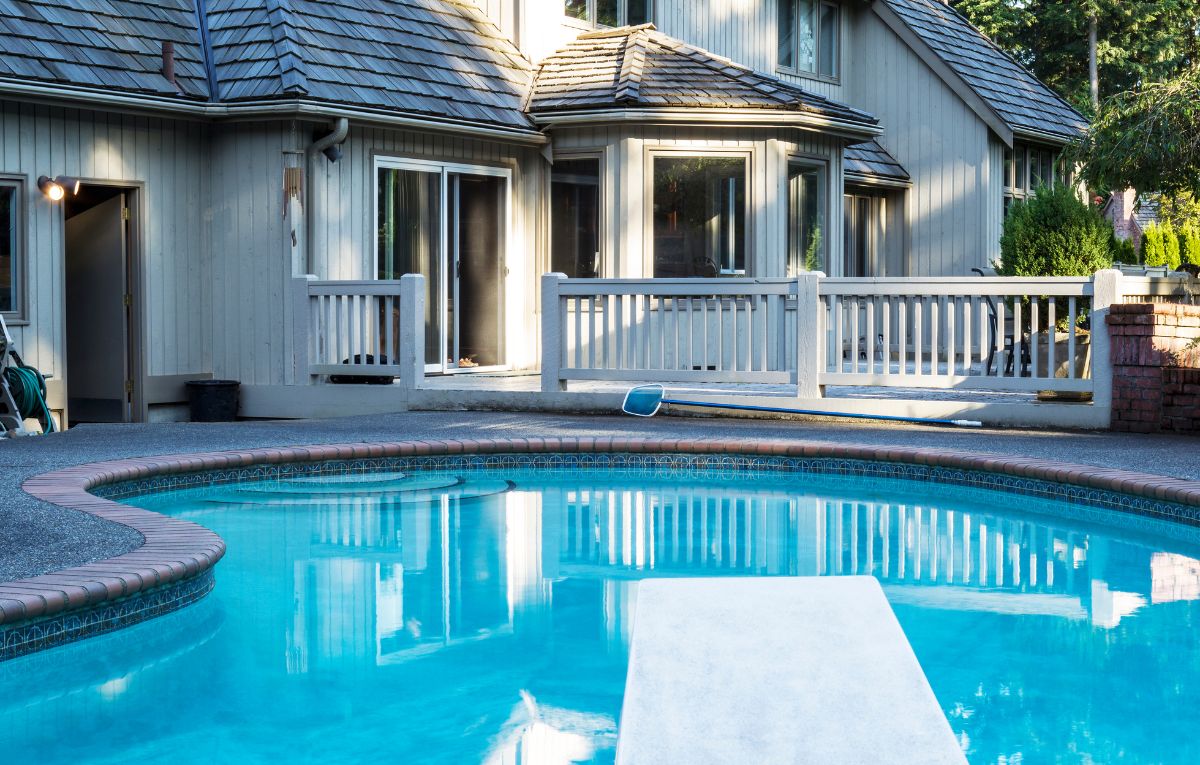
- A solar pool heating system is usually low maintenance, but it still needs seasonal checks to keep water flowing, heat transfer working, and equipment protected.
- Maintenance often includes checking for leaks, inspecting valves and sensors, clearing debris, watching pump performance, and preparing the system for winter.
- New York State Solar Farm helps New York property owners understand solar system design, seasonal conditions, and long-term performance planning.
A solar pool heating system can extend the swimming season while using the sun’s heat instead of relying only on gas or electric pool heating. Once installed, many systems are fairly simple to operate. But low maintenance does not mean no maintenance.
The amount of maintenance depends on the system design, roof or ground location, pool equipment, seasonal use, tree coverage, freeze risk, and how often the pool runs. Most owners should expect simple visual checks during the pool season, a more careful inspection at opening and closing, and professional service if performance drops or a leak appears.
This guide explains what maintenance a solar pool heating system usually needs, what homeowners can watch for, and when to call a professional.
What a Solar Pool Heating System Includes
A solar pool heating system uses solar collectors to warm pool water. Pool water is pumped through the collectors, heated by the sun, and returned to the pool.
Common parts include:
- Solar pool heating collectors
- Roof or ground mounting hardware
- Supply and return plumbing
- Valves or diverter valves
- A controller or sensor system
- The pool pump and filter
- Check valves or vacuum relief valves, depending on design
- Drain points or winterization features
Because the system connects to the pool’s circulation equipment, maintenance is partly about the solar collectors and partly about water flow.
Is Solar Pool Heating High Maintenance?
No. Solar pool heating is generally considered low maintenance compared with many mechanical heating systems. There is no fuel combustion, and the collectors usually have no moving parts.
However, the system still depends on good water flow, intact plumbing, working valves, clean collectors, correct controls, and proper seasonal care. If any of those pieces are ignored, performance can drop.
In practical terms, most maintenance is about prevention: spotting leaks early, keeping debris from blocking collectors, confirming valves are working, and protecting the system from freezing weather.
Seasonal Maintenance at Pool Opening
When opening the pool for the season, the solar heating system should be inspected before heavy use begins.
Opening checks may include:
- Looking for cracked, loose, or damaged plumbing
- Checking collectors for visible damage
- Confirming valves move correctly
- Watching for leaks when water starts circulating
- Making sure the controller and sensors respond
- Checking that water is flowing through the solar loop
- Confirming roof or ground-mounted components are secure
The first warm weeks of the season are a good time to notice whether the pool is heating as expected. If the water is not warming despite sunny weather, the issue may be flow, controls, shading, or collector performance.
In-Season Maintenance
During the swimming season, maintenance is usually simple. A quick visual check every so often can catch small issues before they become bigger problems.
During the season, watch for:
- Water dripping from roof edges, collector connections, or exposed plumbing
- Air bubbles returning to the pool
- Unusual pump noise
- Lower water flow
- A controller that does not switch modes correctly
- Pool water that is not heating on sunny days
- Debris collecting on or around the collectors
- Loose straps, clamps, or mounting points
If the pool filter is dirty or circulation is weak, the solar heating system may not perform well. Solar pool heating depends on the pool pump moving water through the collectors at the right flow rate.
Cleaning Solar Pool Heating Collectors
Solar pool collectors usually do not need frequent washing. Rain may remove ordinary dust and pollen. However, debris can be a problem if the collectors are under trees or near leaves, branches, pine needles, or heavy pollen.
Collector cleaning may be needed if:
- Leaves or debris block sunlight
- Drainage paths are clogged
- Dirt buildup is heavy
- Tree material collects around plumbing
- Roof debris creates a water-flow or safety issue
Do not walk on roof-mounted collectors or spray high-pressure water at system connections unless a qualified professional says it is safe. Roof work should be handled carefully.
Leak Checks
Leaks are one of the most important maintenance items. A small leak can waste water, reduce system pressure, and damage nearby materials if ignored.
Signs of a possible leak include:
- Water dripping from the collector area
- Wet roof or ground areas when the solar loop is running
- Pool water level dropping faster than usual
- Air in the return lines
- Reduced heating performance
- Visible cracks or loose fittings
Some water may drain from certain systems when they shut off, depending on the design. If you are unsure whether water is normal drainage or a leak, have the system checked.
Valves, Sensors, and Controllers
Solar pool heating systems may use manual or automatic valves. Automatic systems often rely on temperature sensors and a controller to decide when to send pool water through the collectors.
These parts should be checked because they control when the system heats and when it bypasses the collectors.
Potential issues include:
- A valve stuck in the wrong position
- A controller not switching on during sunny conditions
- A sensor reading incorrectly
- Loose wiring
- A manual valve left in bypass mode
- A system running when conditions are not useful
If the pool is not warming on sunny days, controls and valves are often worth checking before assuming the collectors are the problem.
Pump and Filter Interaction
Solar pool heating depends on the pool pump and filter. If the pool circulation system is not working well, the solar heating system cannot move heat effectively.
Maintenance should include attention to:
- Pool filter cleanliness
- Pump runtime
- Pump pressure
- Flow through the solar loop
- Air entering the lines
- Proper valve position
This does not mean the solar system replaces normal pool maintenance. Pool chemistry, filter cleaning, and pump care remain important, but they are separate from the solar heating equipment. The connection is that poor circulation can reduce solar heating performance.
Winterization and Freeze Protection
In New York, winterization is one of the most important maintenance topics for solar pool heating. Water left in exposed collectors or plumbing can freeze, expand, and damage the system.
Winterization may include:
- Draining the solar collectors
- Draining exposed pipes
- Setting valves to the correct winter position
- Blowing out lines when required
- Protecting vulnerable fittings
- Confirming the system will not trap water
- Following manufacturer and installer instructions
The exact process depends on system design. A drainback-style setup may behave differently from another configuration. If the system is not winterized correctly, freeze damage can be expensive.
How Often Should the System Be Professionally Checked?
Many systems do well with seasonal homeowner observation and professional help as needed. A professional inspection may be useful at pool opening, pool closing, or anytime performance changes.
Professional service is a good idea if:
- You see leaks
- The system is not heating well
- The controller or sensor seems wrong
- You are unsure how to winterize the system
- Plumbing or valves have been changed
- The pool pump was replaced
- Collectors appear damaged
- The system has not been inspected in several seasons
Professional review is also helpful after roof work, storm damage, tree damage, or major pool equipment changes.
How Maintenance Affects System Life
Good maintenance can help a solar pool heating system last longer and perform more consistently. The biggest risks are usually leaks, freeze damage, poor flow, physical damage, and neglected controls.
Regular checks help protect:
- Collector performance
- Plumbing connections
- Pump efficiency
- Roof or mounting components
- Winter durability
- Heating consistency
Maintenance is also useful because it helps separate normal seasonal variation from a system problem. Cool weather, shade, or low sunlight can reduce pool temperature even when the system is working correctly.
Click here for more context on solar thermal performance during limited sunlight.
Solar Pool Heating vs General Solar Panel Maintenance
Solar pool heating maintenance is different from general solar electric panel maintenance. Solar electric panels produce electricity. Solar pool heating collectors move pool water and transfer heat.
That means a pool heating system needs attention to:
- Water flow
- Pool pump operation
- Valves
- Sensors
- Leaks
- Drainage
- Winterization
General solar panel maintenance focuses more on electrical production, inverters, wiring, monitoring, and panel condition. The systems may both use sunlight, but the service needs are not the same.
Common Questions About Solar Pool Heating Maintenance
Is a solar pool heating system maintenance-free?
No. It is usually low maintenance, but it is not maintenance-free. The system should be checked for leaks, flow problems, valve issues, debris, and winterization needs.
How often should I check my solar pool heater?
During pool season, occasional visual checks are helpful. More careful checks should happen when opening and closing the pool, after storms, and anytime heating performance changes.
Do solar pool heating collectors need to be cleaned?
Sometimes. Rain often handles light dust, but leaves, pollen, branches, or debris may need attention if they block sunlight or collect around the system.
Can poor pool circulation affect solar pool heating?
Yes. Solar pool heating depends on water moving through the collectors. A dirty filter, weak pump, air in the lines, or incorrect valve position can reduce performance.
Does a solar pool heating system need winterization?
In cold climates, yes. Exposed collectors and piping must be protected from freezing according to the system design and installer instructions.
When should I call a professional?
Call a professional if you see leaks, notice poor heating on sunny days, have controller or valve issues, need winterization help, or are unsure whether the system is operating correctly.
Protect Your Investment with Proper Solar Pool System Maintenance
A solar pool heating system is generally low maintenance, but it still needs regular attention. The most important tasks are checking for leaks, confirming water flow, keeping valves and controls working, clearing debris when needed, and winterizing the system in cold climates.
The right maintenance plan depends on the system design, pool equipment, weather, and seasonal use. When the system is checked at opening, monitored during the season, and closed properly for winter, it can provide reliable pool heating with relatively simple upkeep.
New York State Solar Farm helps New York property owners think through solar design, seasonal performance, and long-term system planning so solar equipment supports real-world use.
Contact us today to get a free quote!