
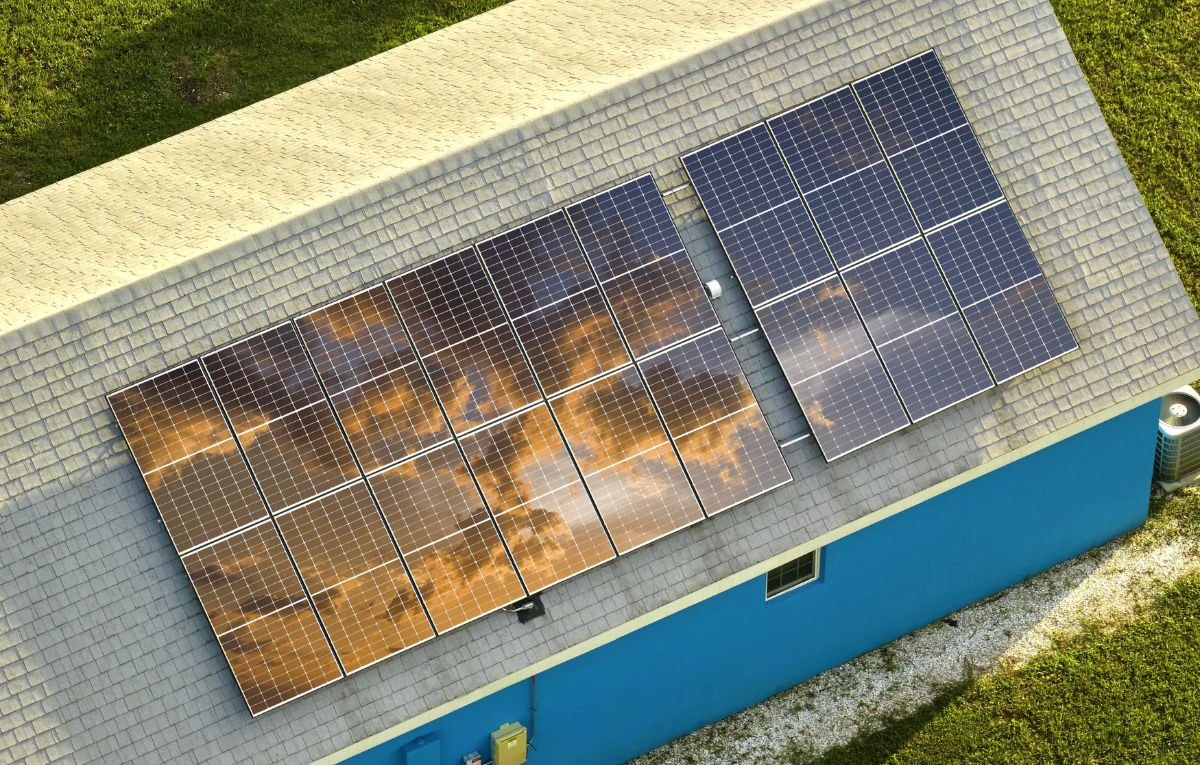
- Solar ventilation uses solar energy to move air or preheat incoming ventilation air, depending on the type of system.
- It can work alongside solar panels, battery storage, heat pumps, and other renewable technologies when the equipment and controls are designed together.
- New York State Solar Farm shares information about solar ventilation and renewable energy systems for property owners across New York.
Yes, a solar ventilation system can be integrated with other renewable energy systems. The practical details depend on what the term solar ventilation means in a specific project, how the building uses energy, and whether the ventilation equipment must operate when sunlight is limited.
Integration does not require every technology to share the same wiring, ductwork, or controls. It means the systems are selected and coordinated so that each one performs its intended job without creating electrical, comfort, moisture, or pressure problems.
What Solar Ventilation Means
Solar ventilation can describe several different approaches. A solar-powered fan uses electricity from a photovoltaic module to move air. Common applications include attic exhaust, greenhouse air movement, and ventilation for suitable outbuildings or other spaces.
Solar ventilation preheating is different. It draws outdoor air through a sun-warmed collector before the air enters a building. The warmed ventilation air reduces part of the load on the main heating system. The U.S. Department of Energy identifies this approach as a distributed energy technology for reducing conventional heating demand.
A passive solar chimney uses solar heat and natural pressure differences to encourage airflow without relying on an electric fan. Because these approaches operate differently, the system type should be defined before anyone evaluates integration, controls, or expected energy savings.
Integrating Solar Ventilation With Solar Panels
A photovoltaic array can provide electricity for ventilation fans, dampers, sensors, and control equipment. A small fan may use its own dedicated solar module. A larger mechanical system may draw power from the building’s electrical panel and receive some or all of that electricity from the property’s main solar array.
A dedicated panel creates a direct relationship between sunlight and fan operation. The fan may run faster in strong sun and slow down or stop when solar production falls. That pattern can suit an attic fan that is mainly needed during sunny, hot periods. It may be unsuitable when a building requires a minimum ventilation rate at night, during cloudy weather, or throughout an outage.
Connecting ventilation equipment to the main electrical system can support more consistent operation. The solar array offsets part of the building’s total electrical use, while the grid or another approved power source supplies electricity when production is insufficient.
Adding Battery Storage
Battery storage can power selected ventilation loads when solar production is low or the grid is unavailable. The design must account for the fan, controls, dampers, sensors, and every other circuit assigned to backup power.
Ventilation should not automatically be placed on a battery-backed circuit. The decision depends on the building’s use, the electrical demand of the equipment, and the consequences of interrupted airflow. A critical exhaust system may have different requirements from an optional attic fan.
Battery capacity is measured against the entire protected load and the required operating time. NYSSF’s Solar Batteries and Smart Electric Panels page explains how load selection affects what a battery system can support.
Coordinating Solar Ventilation With Heat Pumps
Solar ventilation preheating can reduce the heating required to bring cold outdoor air to the indoor supply temperature. A furnace, boiler, or heat pump still handles the remaining load and maintains the required indoor temperature.
Controls determine whether the systems cooperate effectively. The solar collector should not add unwanted heat when the building needs cooling. Dampers may need to bypass the collector under certain conditions. The design must also preserve required ventilation rates and account for indoor humidity.
A heat pump and a ventilation system may both affect airflow and pressure. A qualified designer should check duct sizing, pressure balance, exhaust rates, and combustion safety when fuel-burning equipment is present. Renewable energy does not replace the need for normal mechanical design.
Combining Ventilation With Solar Water Heating
Solar ventilation and solar water heating can operate on the same property because they serve separate energy loads. Ventilation equipment moves or conditions air. A solar water heater transfers solar heat to domestic water or another approved hot-water application.
The two systems can be part of one energy plan, but they usually keep separate collectors, pumps, fans, storage components, and controls. Equipment should only share components when the manufacturer and system design specifically allow it. Combining unrelated loops or controls can reduce performance and make maintenance more difficult.
The main benefit of coordinated planning is accurate space allocation and load analysis. Designers can evaluate roof area, shading, equipment locations, electrical capacity, plumbing routes, and control requirements before competing systems are placed on the property.
Building Controls and Energy Management
A building automation or energy-management system can coordinate operating schedules and monitor temperature, humidity, airflow, solar production, and battery status. The available functions depend on the equipment and the communication standards each product supports.
Useful controls may include temperature sensors, humidity limits, motorized dampers, variable-speed fans, and alerts for unusual operating conditions. A control sequence should state when the solar ventilation equipment starts, when it stops, and what happens when sunlight or stored power is unavailable.
Automatic control does not correct poor system sizing. The fan still needs to deliver the required airflow, the ductwork must handle that airflow, and the electrical supply must meet the equipment’s starting and operating requirements.
Design Questions to Answer Before Integration
An integrated design begins with the building rather than the equipment list. The project team should identify the ventilation requirement, heating and cooling loads, outage priorities, available sunlight, roof and wall space, and existing electrical capacity.
Important questions include:
- What type of solar ventilation is being considered
- When and for how many hours the ventilation must operate
- Whether airflow is optional or required for health, moisture control, or a building process
- Whether the fan will use a dedicated panel or the main electrical system
- Which loads, if any, need battery backup
- How ventilation will interact with heating and cooling equipment
- Which controls will prevent overheating or unwanted airflow
- Who is responsible for electrical, mechanical, roofing, and control work
Permits, equipment listings, roof loading, fire setbacks, electrical codes, and mechanical requirements may also affect the final design. Requirements vary with the property and jurisdiction.
Common Questions About Solar Ventilation Integration
Can solar ventilation operate at night?
A fan powered only by a dedicated solar panel generally slows down or stops when sunlight is unavailable. A fan connected to the building’s electrical system or a properly designed battery-backed circuit may operate at night. Passive airflow also changes with outdoor conditions and temperature differences.
Does solar ventilation reduce heating and cooling use?
It can, but the effect depends on the system. Solar ventilation preheating may reduce winter heating demand by warming incoming air. An attic exhaust fan may reduce heat buildup in some conditions, although its effect on whole-building cooling use depends on insulation, air sealing, attic design, and climate.
Can existing renewable equipment be used?
Existing solar panels or batteries may support new electrical ventilation loads if the equipment, electrical capacity, controls, and warranties allow it. A load calculation and system review are needed before adding the fan or controls. Existing capacity should not be assumed from the solar array’s nameplate rating alone.
Solar Ventilation Works Best as Part of a Coordinated Design
Solar ventilation can work with other renewable energy systems when each technology has a defined purpose. Solar panels produce electricity, batteries shift or back up electrical use, heat pumps move heat, and solar ventilation moves or preheats air.
The design should account for operation during low sunlight, control interactions, ventilation requirements, moisture, pressure, and maintenance access. Those details determine whether the combined system operates reliably and whether the renewable equipment serves the building’s actual needs.
Sources
- U.S. Department of Energy Federal Energy Management Program. Distributed Energy Technologies for Federal Projects
- U.S. Department of Energy. Solar Energy Technologies Office
- U.S. Department of Energy. Solar Energy and Storage Basics