
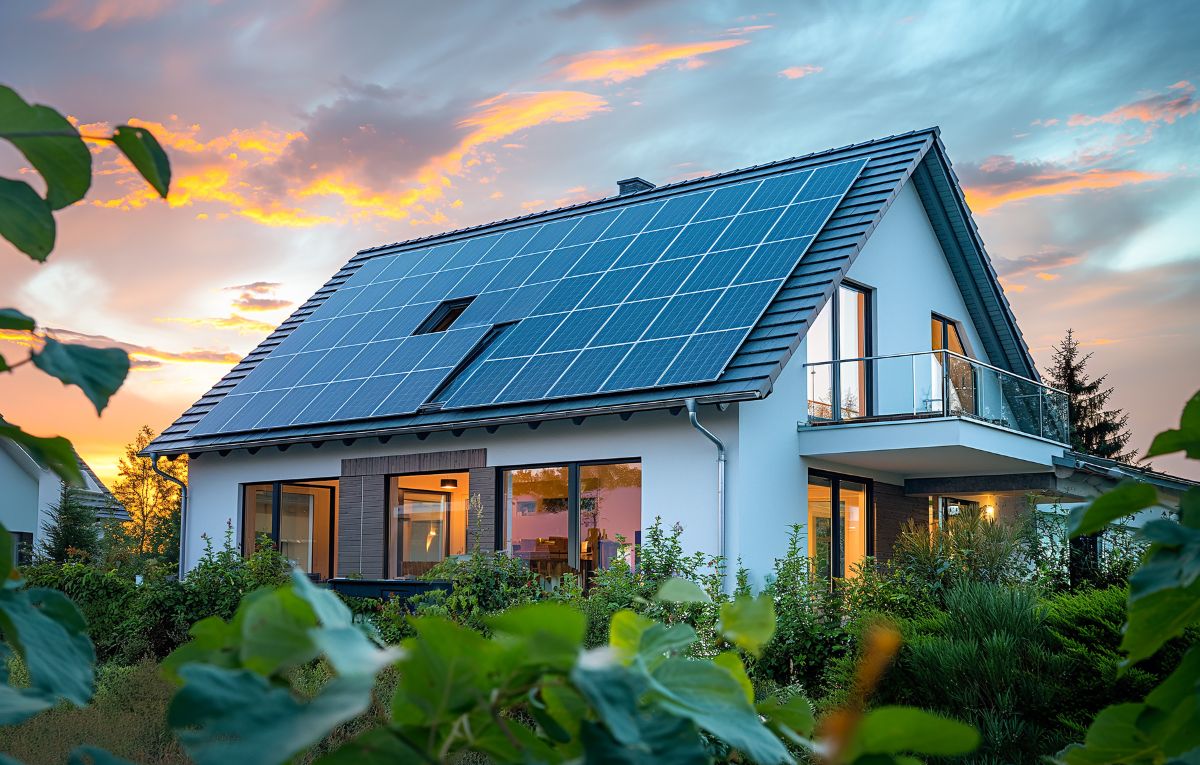
When your battery storage system runs out of stored power, your solar home doesn’t go dark right away. The result depends on whether you’re connected to the grid, off-grid, or facing a blackout. This article from New York State Solar Farm explains what happens when your solar battery is drained, how to prevent it, and how to stay powered with renewable energy designed for real-life reliability and sustainability.
Understanding How Long a Solar Battery Can Power a House
Many homeowners in New York wonder how long can a solar battery power a house when sunlight is gone or grid power fails. The answer depends on your system’s energy cycle, the load on your home, and how efficiently your setup manages energy output.
At New York State Solar Farm (NYSSF), we design renewable energy systems that give homeowners real energy autonomy. Our solar battery setups store the extra energy your panels create during the day and deliver it later-at night, during high-rate utility hours, or during an outage. But what happens if that stored energy is used up completely? Let’s explore what to expect, how to prevent it, and what to do if it happens.
How Solar Battery Storage Systems Work
Before looking at what happens when a battery runs out, it helps to know how the system functions in the first place. During daylight, your solar panels generate renewable electricity from the sun. Your home uses that power first, and any leftover energy is stored in your battery storage system for later use. When the sun sets, the battery releases that stored energy to keep your home running smoothly. Each battery system follows a repeating charge and discharge cycle, helping you manage energy throughout the day and night.
Most batteries are designed to:
- Power the most essential household circuits, called “critical loads”
- Automatically recharge as soon as solar generation begins again
- Communicate with your inverter to balance energy output between panels, the battery, and your home
This constant energy cycle provides sustainability and reduces your reliance on utility electricity. But if power demand is high or sunlight is limited for several days, the stored energy can eventually be used up.
What Happens When the Battery Runs Out of Power
When your solar battery is fully discharged, what happens next depends on your setup and whether your home is grid-tied or off-grid.
If You’re Connected to the Grid
Most solar homes in New York stay connected to the local utility grid. This means if your battery storage system runs out, your home automatically switches to drawing electricity from the grid. The changeover is instant-you may not even notice it. Your appliances keep running, your lights stay on, and your system will recharge the next time your panels start generating energy.
However, there’s an important detail: If the grid is down and your battery drains completely, such as during a storm at night, your home will lose power until either sunlight returns or the grid comes back online.
If You’re Off-Grid or Using Battery-Only Backup
Homes that run off-grid depend entirely on battery and solar power for energy autonomy. When the battery is fully drained, your home will temporarily lose power until the panels generate enough energy to recharge it.
During this period, no electricity will be available unless you have an alternative backup like a generator. That’s why system design, load management, and storage capacity are so important. Your battery’s energy output must match your household’s needs, especially during extended cloudy weather or longer nights.
How Long Can a Solar Battery Power a House?
The duration depends on a few key factors:
Battery Capacity (kWh)
Larger batteries store more energy, extending your available power.
Energy Load
The total electricity your home draws. Heavier loads drain the battery faster.
Weather and Sunlight
More sun equals faster recharge times.
System Design
Whether your setup powers your whole house or only essential circuits. For example: A 10 kWh battery can power essential appliances-like lighting, refrigerator, and Wi-Fi-for roughly 8 to 12 hours. A 20 kWh system might keep more circuits running through the night. A multi-battery setup can provide one to three days of backup, depending on weather and load.
At New York State Solar Farm, our NYC solar installation experts help you calculate exactly how long can a solar battery power a house based on your lifestyle and energy goals. Our goal is simple: to give you true autonomy and confidence in your energy supply.
How to Prevent Your Battery from Running Out
Running out of power is uncommon with a properly designed system, but these steps can further reduce the risk.
1. Correct System Sizing
Our solar installation experts in New York start by reviewing your utility history to find your typical energy cycle-how much you use, when, and for what. Then we design a battery system sized for your real-world usage. We can also design multi-battery systems to extend power duration, helping you keep critical systems running even during long outages.
2. Prioritize Essential Loads
During a blackout, it’s important to focus on what truly matters. We configure your system to power only essential circuits, such as:
- Refrigerators and freezers
- Lighting in key rooms
- Wi-Fi routers and home communication
- Medical or safety equipment
By prioritizing these loads, your battery’s energy output is used wisely and lasts much longer, maintaining a sense of control and autonomy during any outage.
3. Smart Energy Monitoring
Most modern solar batteries come with mobile apps or dashboards that let you see your energy cycle in real time-how much you’re using, storing, and generating. We teach homeowners how to read this data so you can make smart adjustments, like turning off unneeded lights or appliances when the battery is running low. Smart monitoring helps preserve battery health and promotes sustainable living habits that reduce waste and improve efficiency.
4. Solar Recharging Efficiency
At NYSSF, we configure systems so your panels begin recharging your battery the moment sunlight hits them again. Even after a full discharge, your system quickly restarts its renewable energy cycle without you lifting a finger. This automatic process restores your home’s power output smoothly and helps maintain your long-term sustainability goals.
What to Do If Your Battery Runs Out
If your solar battery does run out of power, there’s no need to worry. It won’t damage the system.
Here’s what to do:
Wait for Solar Recharging
When the sun returns, your panels will automatically begin recharging the battery.
Reduce Energy Load
Turn off anything that isn’t essential. The lighter the load, the faster your system recharges.
Contact NYSSF
If you notice charging issues or slow performance, our experts can test the system and make sure everything is working properly.
Common Questions Homeowners Ask
Can running out of power harm the battery?
No. Quality solar batteries are built with protection systems that stop them from fully over-discharging. Once power generation resumes, they recharge safely.
Will my solar panels stop working if the battery is empty?
No. Your panels will keep producing electricity as long as there’s sunlight. The battery just won’t store power until it’s recharged to a safe level.
How will I know when my battery is low?
Most systems send app alerts or display the charge level on the inverter panel, helping you manage your energy cycle effectively.
Can I add more storage later?
Yes. Most systems are modular and can easily be expanded for more backup or longer autonomy.
How NYSSF Helps You Stay Powered
At New York State Solar Farm, we focus on energy independence through smart, sustainable design. Every solar and battery system we install is built to handle New York’s unique weather-long winters, cloudy days, and occasional storms.
Here’s how we make sure your home stays powered:
- Custom Design: Tailored to your daily usage and backup goals.
- Top-Tier Equipment: We use proven, high-efficiency batteries that deliver consistent output. Professional Installation: Our licensed NYC solar panel installers ensure safe and optimal performance.
- Continuous Support: From monitoring to maintenance, NYSSF stays with you for the full life cycle of your system. We design each system for reliability, renewable energy efficiency, and long-term sustainability.
A Real-World Example Take
Sarah, a homeowner in upstate New York. She installed a 13 kWh solar battery to support her solar panels. Most days, her battery fully charges by late afternoon and keeps her home powered all night. During a winter snowstorm, when sunlight was limited, her battery powered her refrigerator, lights, and Wi-Fi for about 12 hours each night. On the third day, once the clouds cleared, her panels recharged the system completely. Because her setup was designed with autonomy and sustainable load management in mind, she never lost power-and she gained peace of mind knowing her home was energy independent.
Why Renewable Energy Systems Matter
Solar batteries don’t just protect your home from blackouts-they help build a cleaner, more reliable future. Every time your system runs through a full charge and discharge cycle, you’re using renewable energy that reduces strain on the grid and cuts emissions.
By producing your own clean power, you’re promoting sustainability in your community while lowering your electric bills. That’s the true power of renewable energy: energy autonomy that helps both you and the planet.
Stay Powered and Prepared with NYSSF
A well-designed solar and battery system gives your home freedom, resilience, and long-term sustainability. While it’s uncommon for your system to completely run out of energy, it’s still good to know what happens and how to stay prepared. At New York State Solar Farm, our mission is to help every homeowner understand how long can a solar battery power a house, and to design systems that provide dependable, renewable energy every day of the year.
Whether you’re new to solar or upgrading an existing setup, our experts will help you build a storage solution that gives you complete autonomy, supports sustainability, and keeps your lights on no matter what.
Ready to take control of your home’s power? Contact New York State Solar Farm today for a free solar battery consultation.
We’ll help you choose the right system, balance your energy load, and enjoy the peace of mind that comes from clean, renewable power and lasting sustainability.