
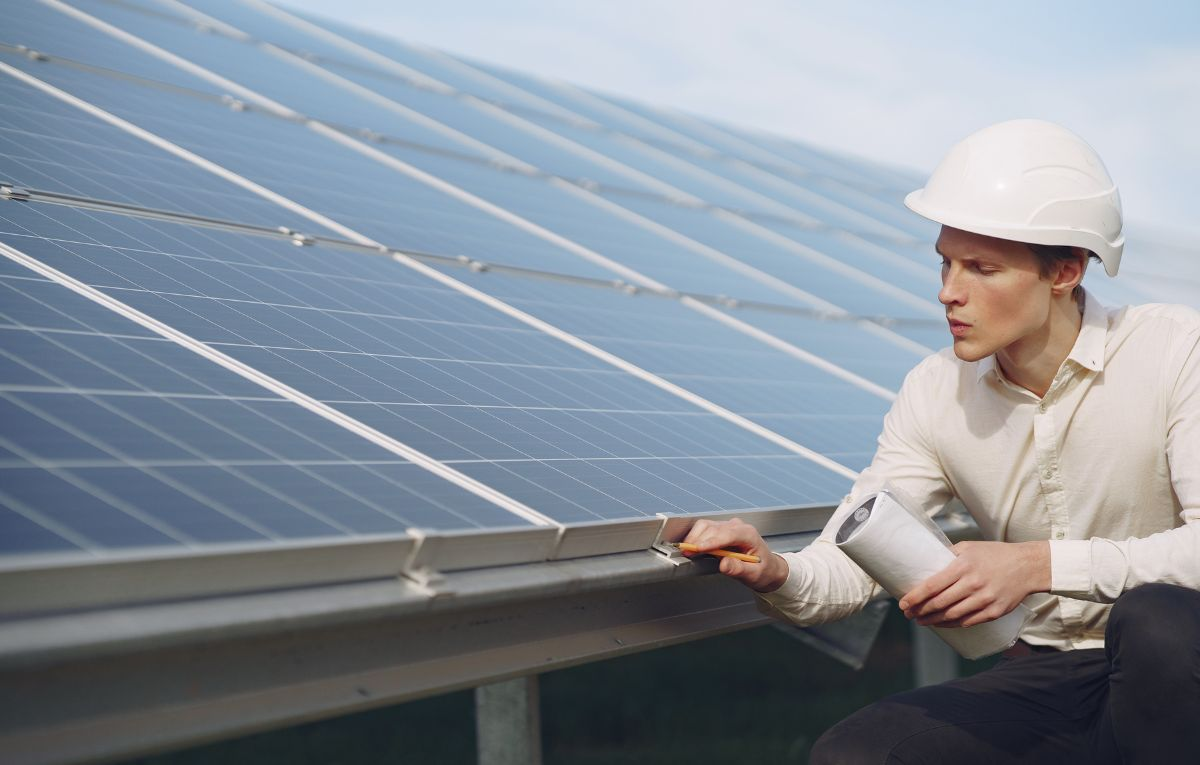
If you’re thinking about installing solar panels, you may wonder, “What happens if something breaks or stops working?” That’s where a warranty comes in. A warranty is a promise from the company that made or installed your solar equipment. It helps protect you if something goes wrong.
In this blog post, we’ll explain the different types of warranties for solar panels and inverters and why they’re important. Don’t worry—this topic may sound tricky, but we’ll keep it simple and easy to understand.
What Is a Warranty?
A warranty is like a safety net. If your solar panels or inverters stop working because of a problem with the parts or the way they were made, the company will fix or replace them—usually at no cost to you.
Warranties give you peace of mind. They help make sure your solar system works well for many years.
Types of Solar Panel Warranties
Most solar panels come with two types of warranties:
1. Product Warranty
- This covers problems with the materials or how the panels were made.
- It protects you if something breaks, cracks, or stops working early.
- Most product warranties last 10 to 25 years.
2. Performance Warranty
- This guarantees how much power your panels will make over time.
- Solar panels lose a little bit of power each year. This is normal.
- Most companies promise that after 25 years, your panels will still produce at least 80% of their original power.
Together, these two warranties help protect your solar investment.
Types of Inverter Warranties
Inverters are another important part of your solar system. They turn sunlight energy into power for your home. Inverters also come with warranties, but they are usually shorter than panel warranties.
Here’s what you should know:
- Most string inverters come with a 10- to 12-year warranty.
- Some companies allow you to extend the warranty up to 20 or 25 years for an extra cost.
- Microinverters and power optimizers often have warranties that last 20 to 25 years, which is similar to your panels.
Always ask your installer which type of inverter you’re getting and what the warranty covers.
New York State Solar Farm connects you to solar experts in New York.
What Do Warranties Usually Cover?
Warranties usually cover:
- Broken parts
- Manufacturing defects
- Early equipment failure
- Low performance (for panel output)
But warranties don’t always cover:
- Damage from storms, fire, or accidents
- Problems from improper installation
- Wear and tear from normal use
Some warranties cover labor costs, but some do not. It’s a good idea to ask your installer if labor is included in your warranty.
New York State Solar Farm is a trusted solar installation company in New York. Contact us to learn more about our solar products and their warranty.
Why Are Warranties Important?
Warranties help protect your investment. If your system has a problem early on, a good warranty can save you money and stress. That’s why it’s important to choose quality equipment from trusted brands and work with a professional solar installer.
Your installer can explain all the warranty details and help you understand what’s covered and what’s not.
New York State Solar Farm connects you to solar experts in New York.
Tips for Checking Warranties
- Ask questions: Don’t be afraid to ask your installer about warranty length and coverage.
- Read the fine print: Make sure you understand what is and isn’t included.
- Keep records: Save your warranty papers in a safe place. You may need them later.
Contact New York Solar Installers Today
Warranties are one more reason why it’s smart to work with a trusted solar installer. A professional team can help you:
- Pick high-quality solar panels and inverters
- Understand your warranty options
- Take care of your system if something goes wrong
Ready to learn more about solar warranties?
Contact our solar installer experts in New York today to schedule a free consultation. We’ll walk you through your warranty options and help you choose a solar system that’s built to last—with strong protection for your peace of mind.